The Digital Envelope Method: Modernizing a Classic Budgeting Strategy with Technology

Sarah Mitchell
19 March 2026
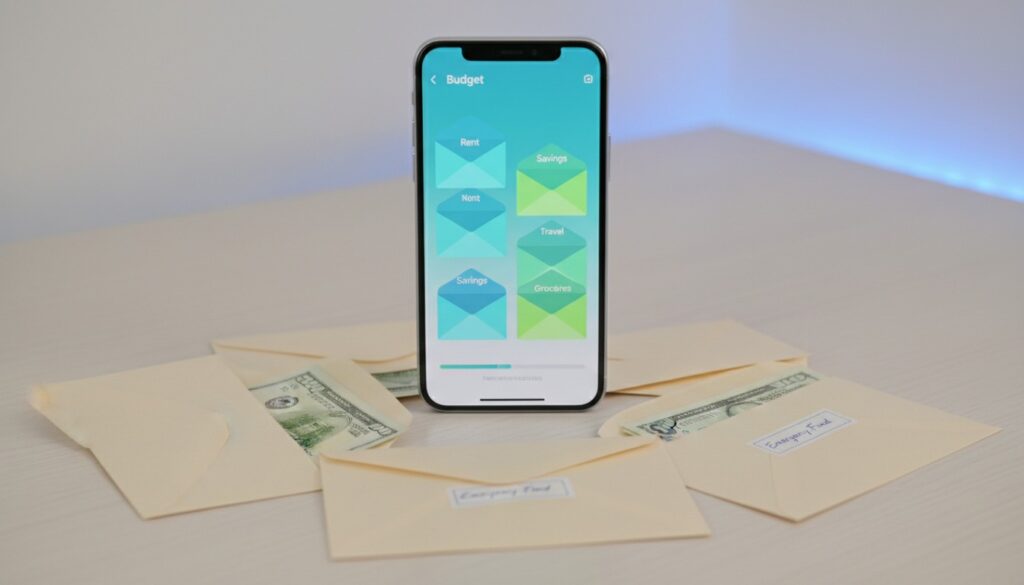
The Digital Envelope Method: Modernizing a Classic Budgeting Strategy with Technology
Introduction
For decades, the envelope budgeting method has been a cornerstone of personal finance management, helping countless individuals and families take control of their spending. This time-tested strategy involves allocating cash into physical envelopes labeled with different expense categories – groceries, entertainment, utilities, and more. When the cash in an envelope runs out, you’re done spending in that category for the month.
While this traditional approach remains effective, our increasingly digital world presents both challenges and opportunities for envelope budgeters. The digital envelope method combines the psychological benefits and practical wisdom of the original system with the convenience, automation, and powerful features that modern technology offers.
In this comprehensive guide, we’ll explore how to successfully transition from physical envelopes to digital alternatives, examine the best tools and apps available, and discover advanced strategies that can supercharge your budgeting efforts. Whether you’re a envelope budgeting veteran or completely new to this approach, you’ll learn how to harness technology to gain unprecedented control over your financial life.
Understanding the Foundation: Why Envelope Budgeting Works
Before diving into the digital transformation, it’s crucial to understand why envelope budgeting has remained popular for so long. The method’s effectiveness stems from several key psychological and practical principles:
The Power of Visual Spending Limits
Traditional envelope budgeting works because it makes your spending limits tangible and visible. When you can physically see the remaining cash in your “dining out” envelope, you’re forced to confront the reality of your spending choices. This visual element creates a powerful psychological barrier that credit cards and abstract bank balances simply cannot match.
Preventing Overspending Through Natural Constraints
The envelope method eliminates the possibility of accidental overspending. Once an envelope is empty, you literally cannot spend more in that category without making a conscious decision to “borrow” from another envelope. This built-in constraint system helps develop better spending discipline over time.
Category-Based Awareness
By dividing expenses into specific categories, envelope budgeting forces you to become acutely aware of where your money goes. Many people are shocked to discover how much they actually spend on categories like coffee, subscriptions, or impulse purchases when they start tracking them separately.
“The envelope method taught me that small, frequent expenses were sabotaging my budget more than any single large purchase ever could.” – Sarah Chen, Personal Finance Blogger
The Digital Transformation: Advantages and Considerations
Transitioning to a digital envelope system offers numerous advantages while addressing some of the traditional method’s limitations:
Benefits of Going Digital
Convenience and Accessibility: Digital envelopes are always with you on your smartphone, eliminating the need to carry cash or worry about having the right envelope for unexpected purchases.
Automatic Tracking: Modern apps can automatically categorize transactions, sync with your bank accounts, and provide real-time balance updates across all your envelopes.
Enhanced Security: Digital systems eliminate the risk of losing cash or having envelopes stolen, while providing secure backup and recovery options.
Advanced Analytics: Digital tools offer detailed spending reports, trend analysis, and insights that would be impossible to generate manually.
Flexibility for Modern Life: Handle online purchases, automatic payments, and electronic transactions seamlessly within your envelope system.
Potential Challenges to Address
Reduced Tangibility: The psychological impact of “spending real money” may be diminished when using digital systems, requiring additional mindfulness strategies.
Technology Dependence: System outages, app crashes, or phone battery issues could temporarily disrupt your budgeting process.
Learning Curve: New users may need time to adapt to digital interfaces and features, potentially causing initial confusion or resistance.
Top Digital Envelope Budgeting Tools and Apps
The market offers several excellent digital envelope budgeting solutions, each with unique strengths and features:
YNAB (You Need A Budget)
YNAB stands as the gold standard for digital envelope budgeting, offering a comprehensive platform that closely mirrors traditional envelope methodology while adding powerful modern features.
Key Features:
- Real-time synchronization across all devices
- Automatic transaction import from banks
- Goal-setting tools for savings and debt payoff
- Detailed reporting and spending analysis
- Educational resources and community support
- Manual transaction entry for increased awareness
- Envelope sharing for couples and families
- Debt tracking capabilities
- Simple, intuitive interface
- Free tier available with basic features
- Automatic transaction categorization
- Bill reminder system
- Savings goal tracking
- Credit score monitoring
- Financial coaching resources
- Zero-based budgeting approach
- Simple drag-and-drop interface
- Integration with Dave Ramsey’s financial principles
- Free version with manual entry
- Premium version with bank connectivity
- Fixed expenses (rent, insurance, loan payments)
- Variable necessities (groceries, utilities, gas)
- Discretionary spending (entertainment, dining out, hobbies)
- Irregular expenses (car maintenance, gifts, annual subscriptions)
- Housing (rent/mortgage, utilities, maintenance)
- Transportation (car payment, gas, insurance, repairs)
- Food (groceries, dining out)
- Healthcare (insurance, medications, appointments)
- Debt payments
- Entertainment and recreation
- Clothing and personal care
- Gifts and charitable giving
- Hobbies and subscriptions
- Travel and vacation
- Emergency fund
- Retirement contributions
- Specific savings goals (house down payment, new car)
- Essential needs are fully funded first
- Savings goals receive priority allocation
- Discretionary categories fit within remaining income
- Total allocations don’t exceed your monthly income
- Connect bank accounts and credit cards for automatic tracking
- Create all your envelope categories
- Set up initial funding amounts
- Configure alerts and notifications
- Customize the interface to match your workflow
- Schedule recurring transfers based on your pay frequency
- Automatically distribute income across multiple envelopes
- Adjust funding amounts seasonally or based on income changes
- Set up “overflow” rules for surplus income
- Automatically categorize transactions based on merchant data
- Create custom rules for recurring expenses
- Set up alerts for unusual spending patterns
- Generate predictive spending forecasts
- Automatically fund retirement contributions
- Transfer excess envelope balances to savings goals
- Track progress toward long-term financial objectives
- Rebalance envelope allocations based on goal priorities
- Shared envelope access with spending permissions
- Real-time notifications for partner transactions
- Family spending challenges and goals
- Individual “fun money” envelopes within shared budgets
- Setting up immediate spending alerts and notifications
- Using visual spending progress bars and charts
- Implementing “cooling off” periods for large purchases
- Regular weekly envelope balance reviews
- Creating a “income smoothing” envelope for surplus months
- Prioritizing envelope funding based on necessity
- Using percentage-based rather than fixed-dollar allocations
- Building larger emergency fund envelopes
- Treat credit card spending as immediate envelope deductions
- Set up automatic credit card payments from designated envelopes
- Monitor credit utilization to avoid overspending
- Use cards strategically for rewards while maintaining envelope discipline
- Maintaining backup records of envelope balances
- Having alternative spending tracking methods ready
- Keeping small amounts of emergency cash available
- Regular data backups and account synchronization
- Envelope adherence rate: Percentage of months you stay within envelope limits
- Savings rate improvement: Increase in monthly savings since implementation
- Spending awareness: Reduction in “mystery” or untracked expenses
- Financial stress levels: Subjective improvement in money-related anxiety
- Analyze spending patterns and identify trends
- Adjust envelope amounts based on actual needs
- Add or eliminate categories as lifestyle changes
- Celebrate successes and learn from overspending incidents
- Seasonal variations (holiday spending, summer activities, back-to-school expenses)
- Life changes (marriage, divorce, new job, retirement)
- Economic shifts (inflation, income changes, emergency situations)
- Goal evolution (new savings targets, debt payoff completion)
- Using visual spending representations in your app
- Setting up immediate transaction notifications
- Implementing “virtual cash” limits for discretionary spending
- Regular envelope balance check-ins throughout the week
- Gamify your budgeting with achievement badges and milestones
- Share progress with accountability partners or online communities
- Use positive reinforcement for staying within envelope limits
- Celebrate financial wins, no matter how small
- Track spending mood and circumstances alongside transactions
- Set up cooling-off periods for emotional purchase triggers
- Create specific envelopes for stress-relief spending
- Use app-based mindfulness reminders before purchases
Best For: Serious budgeters willing to invest time in learning a comprehensive system
Pricing: Monthly subscription model with free trial period
Goodbudget
Goodbudget offers a more straightforward approach to digital envelope budgeting, making it ideal for users who want simplicity without sacrificing effectiveness.
Key Features:
Best For: Users who prefer hands-on transaction entry and don’t need automatic bank connections
Mvelopes
Mvelopes provides a middle ground between simplicity and advanced features, offering automatic transaction categorization with envelope-style organization.
Key Features:
Best For: Users who want automation but still prefer envelope-style budgeting
EveryDollar
EveryDollar, created by financial expert Dave Ramsey’s team, emphasizes zero-based budgeting principles within an envelope-style framework.
Key Features:
Best For: Followers of Dave Ramsey’s financial philosophy and zero-based budgeting advocates
Implementation Strategies: Setting Up Your Digital Envelope System
Successfully transitioning to digital envelope budgeting requires careful planning and systematic implementation:
Step 1: Analyze Your Current Spending Patterns
Before creating digital envelopes, spend at least one month tracking all your expenses to understand your actual spending patterns. Use bank statements, credit card records, and receipt collections to identify:
Step 2: Create Your Envelope Categories
Based on your spending analysis, establish envelope categories that reflect your actual lifestyle while supporting your financial goals:
Essential Categories:
Lifestyle Categories:
Savings Categories:
Step 3: Determine Envelope Amounts
Allocate your monthly income across all envelopes, ensuring that:
Step 4: Choose and Configure Your Digital Tool
Select the digital envelope app or system that best matches your needs and preferences. During setup:
Advanced Digital Envelope Strategies
Once you’ve mastered the basics, these advanced strategies can enhance your digital envelope budgeting effectiveness:
Automated Envelope Funding
Set up automatic transfers to fund your envelopes on payday, ensuring consistent budget allocation without manual intervention. Many digital tools allow you to:
Smart Category Rules and Automation
Leverage artificial intelligence and machine learning features to:
Integration with Investment and Savings Accounts
Connect your envelope system to investment and savings accounts to:
Family and Shared Envelope Management
For couples and families, implement collaborative features such as:
Overcoming Common Digital Envelope Challenges
Even the best digital envelope systems can present obstacles. Here’s how to address the most common challenges:
Maintaining Spending Discipline
Without physical cash limitations, it’s easier to overspend digital envelopes. Combat this by:
Handling Irregular Income
Freelancers and commission-based workers can adapt digital envelope budgeting by:
Managing Credit Card Integration
When using credit cards within an envelope system:
Dealing with Technology Failures
Prepare for system outages or technical issues by:
Measuring Success and Making Adjustments
Digital envelope budgeting success requires ongoing monitoring and optimization:
Key Performance Indicators
Track these metrics to evaluate your system’s effectiveness:
Regular Review and Optimization
Schedule monthly envelope system reviews to:
Seasonal and Life Event Adjustments
Modify your digital envelope system for:
The Psychology of Digital Money Management
Understanding the psychological aspects of digital envelope budgeting can significantly improve your success:
Recreating Physical Money Awareness
Since digital transactions lack the tangible nature of cash, create artificial friction by:
Building Positive Money Habits
Leverage digital tools to reinforce good financial behaviors:
Managing Emotional Spending Triggers
Digital envelope systems can help identify and address emotional spending patterns:
Conclusion
The digital envelope method represents a powerful evolution of a time-tested budgeting strategy, combining the psychological benefits of traditional envelope budgeting with the convenience and capabilities of modern technology. By implementing a digital envelope system, you can gain unprecedented visibility into your spending patterns, automate routine financial tasks, and build stronger money management habits.
Success with digital envelope budgeting requires more than just downloading an app – it demands commitment to the underlying principles of conscious spending, category-based awareness, and living within your means. The technology simply provides better tools to support these fundamental financial disciplines.
Remember that the best digital envelope system is the one you’ll actually use consistently. Start with basic features and gradually incorporate more advanced capabilities as you become comfortable with the digital approach. Be patient with yourself during the transition period, and don’t hesitate to adjust your system as you learn what works best for your unique financial situation.
Whether you choose YNAB’s comprehensive approach, Goodbudget’s simplicity, or any other digital envelope solution, the key is to maintain the core principle that made the original method so effective: spending with intention and living within predetermined limits.
Ready to Transform Your Financial Life?
Take action today and start your digital envelope budgeting journey. Choose one of the recommended apps, download it, and spend just 15 minutes setting up your first few envelope categories. Your future financial self will thank you for taking this important step toward better money management.
What’s your experience with digital envelope budgeting? Share your success stories, challenges, or questions in the comments below – your insights could help fellow readers on their financial journey.